English
MAK2'S Home Sweet Home Rose Pool skateboard art by the skateroom

Home Sweet Home: Rose Pool Skateboard Original Artwork

About

Original Artwork

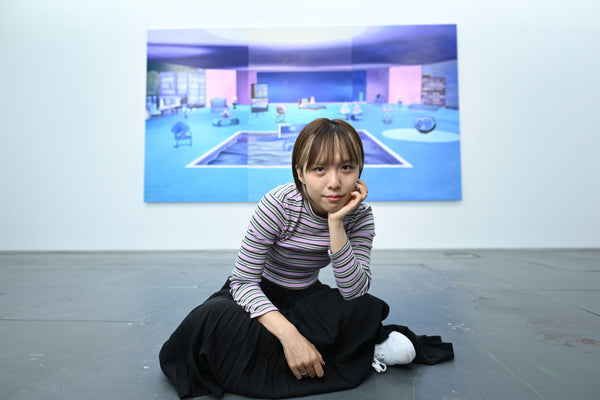
In this original painted artwork, the sun sets on a rooftop pool filled with floating roses, while trailing plants hang down from an invisible ceiling. Composed using the popular American life simulation video-game ‘The Sims’, the individual panels of the triptych were painted by a different painter found on the Chinese e-commerce platform, Taobao.

The resulting differences between each painted panel disrupt the serene and dream-like atmosphere of this rooftop paradise, a startling reminder of the discrepancies between fantasy and reality.

©Mak2. Courtesy DE SARTHE.

Quick view
MAK2'S Home Sweet Home Rose Pool skateboard art by the skateroom
Quick view
MAK2

The Artist

MAK2

Mak2 (b. 1989, Hong Kong) is a conceptual artist whose multidisciplinary practice spans installations, paintings, videos, YouTube episodes, stand-up comedy, and even video games. Educated at the School of Creative Media, City University of Hong Kong, she creates works threaded with humor, curiosity, and critical social commentary.

Her signature “Home Sweet Home” series (2019–) exemplifies her inventive approach: Mak2 designs surreal domestic interiors using The Sims, divides the digital scenes into three sections, and commissions anonymous painters from Taobao to recreate each segment—an artistic act that probes fantasy versus reality, authorship, and cultural reproduction.

Mak2’s bold, conceptual flair has led to standout projects such as:

You Better Watch Out (2017): an interactive installation featuring a giant snow globe, QR codes, and CCTV gameplay, originally showcased at MoMA PS1 and K11 Art Foundation.

Copy of Copy of Copy of Copy (2024): a towering 7.5-meter mirrored duo of gallery booths at Art Basel Hong Kong, exploring layered simulations and the erosion of originality.

Her practice often entwines absurdity with insight—making everyday objects, digital interfaces, and pop culture tropes the stage for deeper musings on modern existence and Hong Kong's evolving identity.