
English
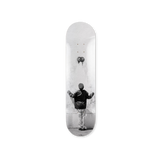
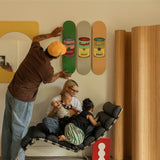
Robin Rhode's Juggla skateboard art by the skateroom

Juggla (Hand-signed)

Limited Edition of 15

About

Hand-signed by the artist
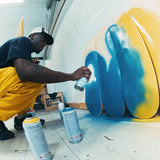
Robin Rhode’s work is inspired from a rite of passage for boys in school. There is an element of playfulness to his art, which takes the form of a two-part story. The first act entails Rhode’s conception and creation of the artwork. These urban influenced pieces often find their place on city walls and become the artist’s method of engaging his audience on South Africa’s history and its societal difficulties. The second act takes the form of a performance between an actor and the piece. Much like the rite of passage, this interaction gives the piece a new life, and creates a secondary dynamic through which it can share its story.

Quick view
Robin Rhode's Juggla skateboard art by the skateroom
Quick view
Portrait of Robin RHODE

About the Artist
Portrait of Robin RHODE

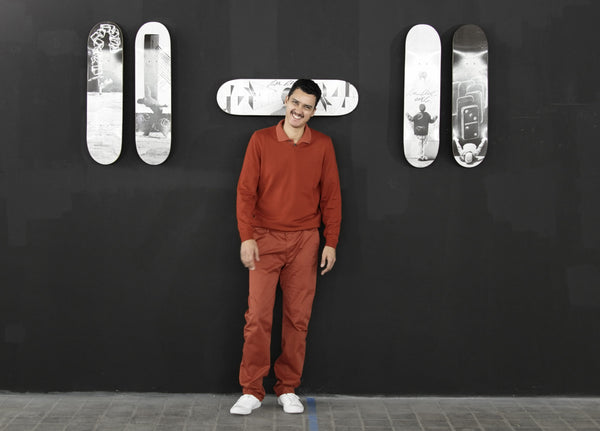
Robin Rhode (b. 1976, Cape Town) is a South African artist based in Berlin whose multidisciplinary work spans photography, performance, wall painting, and drawing. He transforms urban walls into stages: public murals are painted, then activated through choreographed performances, photographed in sequences that compress space, time, and narrative. His practice is deeply rooted in post‑apartheid experience, youth culture, and the dynamics of identity, power, and public space.

Robin Rhode (b. 1976, Cape Town) is a South African artist based in Berlin whose multidisciplinary work spans photography, performance, wall painting, and drawing. He transforms urban walls into stages: public murals are painted, then activated through choreographed performances, photographed in seq
MORE
×

Robin Rhode (b. 1976, Cape Town) is a South African artist based in Berlin whose multidisciplinary work spans photography, performance, wall painting, and drawing. He transforms urban walls into stages: public murals are painted, then activated through choreographed performances, photographed in sequences that compress space, time, and narrative. His practice is deeply rooted in post‑apartheid experience, youth culture, and the dynamics of identity, power, and public space.