

Chaise électrique - Blanche
Au début des années soixante, Andy Warhol a créé de nombreuses œuvres représentant des produits de consommation, des stars hollywoodiennes, ainsi qu'une série très médiatisée illustrant la mort et les catastrophes au sein de la société américaine. Figure emblématique de l'art contemporain, il nous a semblé naturel de perpétuer la vision d'Andy Warhol à travers notre production. C'est pourquoi nous avons récemment collaboré avec la Fondation Andy Warhol pour les arts visuels afin de produire une série de ses œuvres les plus emblématiques.
About the Artist

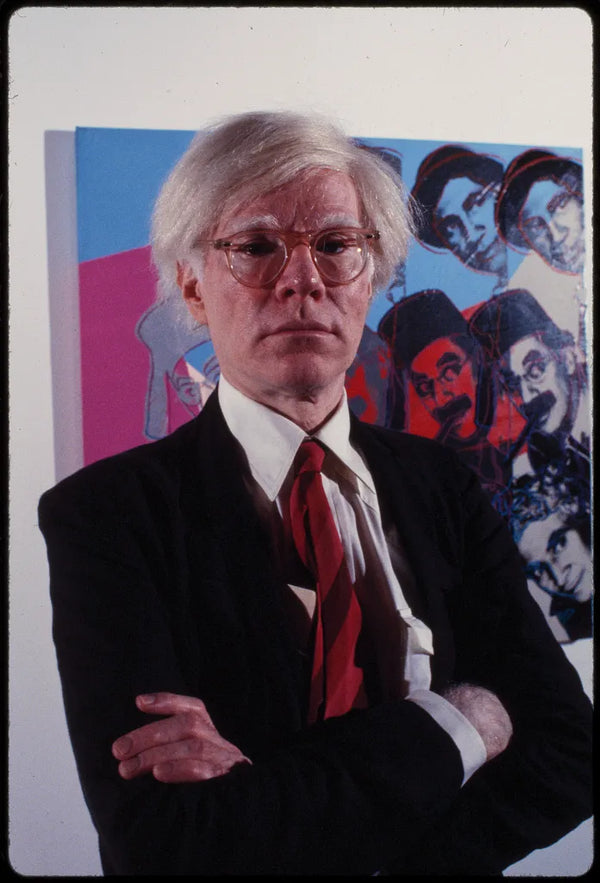
Before assuming his place in history, Andy Warhol (1928-1987) as a commercial illustrator in New York for over a decade. Although he began painting in the late 1950s, he emerged into the spotlight in 1962 when he exhibited wooden replicas of Brillo soap pad boxes, along with paintings of Coca-Cola bottles, and his infamous Campbell’s soup cans. Warhol’s mass-producing silkscreen technique was key in reducing his depictions into insipid and dehumanized cultural icons that reflected the alleged emptiness of American material culture, along with Warhol’s own emotional withdrawal towards his creations. Eventually, Warhol’s work propelled him to the forefront of the emerging Pop art movement in America.