



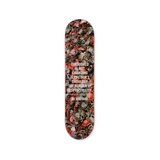
Crabs
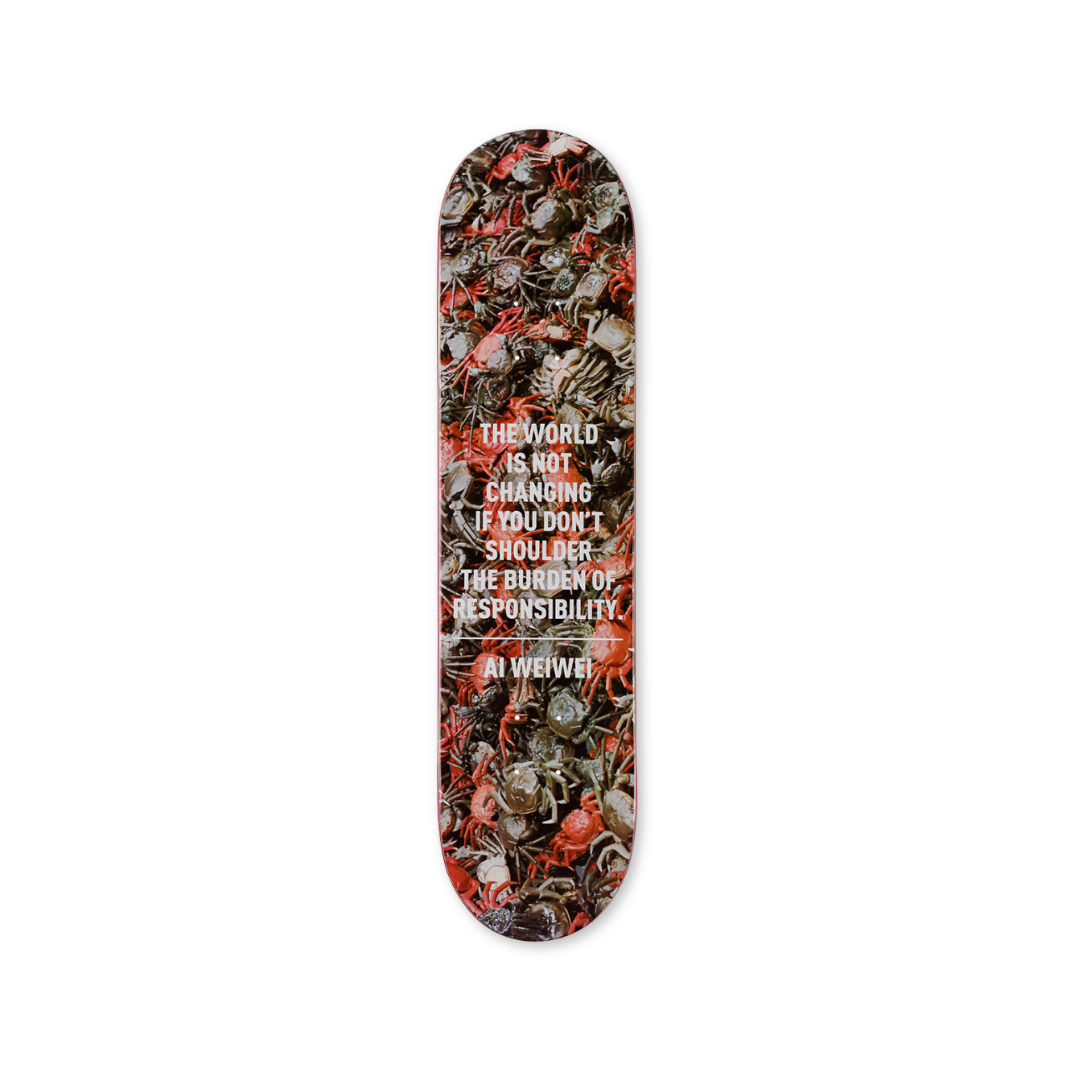
Ce deck s'inspire de l'installation d'Ai Weiwei, composée de 3 200 crabes en céramique, présentée au musée Hirshhorn de Washington D.C. en 2011. Intitulée « He Xie », l'installation fait référence à une expression argotique chinoise désignant la censure d'Internet en Chine. Le titre joue également sur la ressemblance phonétique entre « crabe de rivière » et « harmonieux ».
The Artist
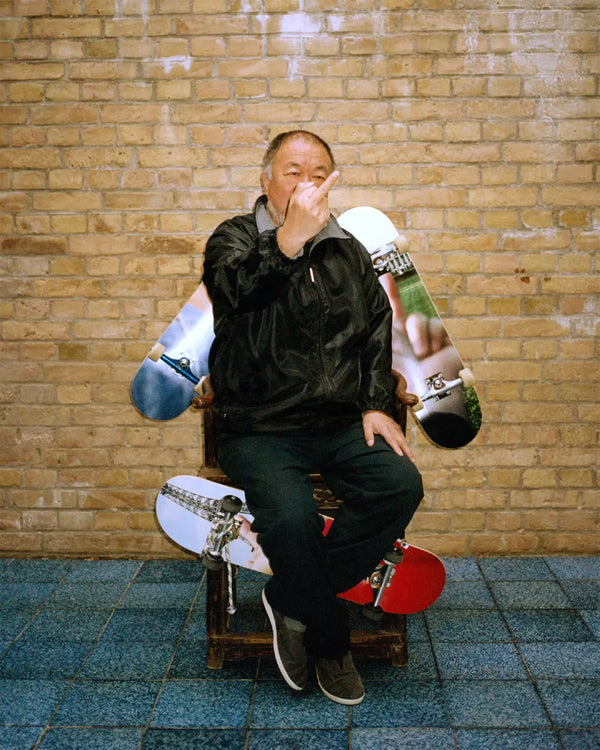
Ai Weiwei
Ai Weiwei (b. 1957) is a Chinese artist, filmmaker and outspoken activist whose wide‑ranging practice merges sculpture, installation, architecture, photography and public‑intervention.
After spending time in New York in the 1980s, Ai returned to Beijing in the early 1990s, helping found the experimental artist‑space China Art Archives & Warehouse (CAAW). His art frequently engages themes of freedom, surveillance, and human rights: for example, his monumental porcelain installation Sunflower Seeds (2010) at the Turbine Hall of the Tate Modern deployed 100 million hand‑crafted porcelain seeds weighing ~10 tonnes.
In 2011 he was detained by Chinese authorities for 81 days and later prohibited from travel—events that turned his own biography into part of his art. Today he works across multiple global bases, including Portugal, Germany and the UK, continuing to challenge the structures of power, craft, and cultural production.