


français
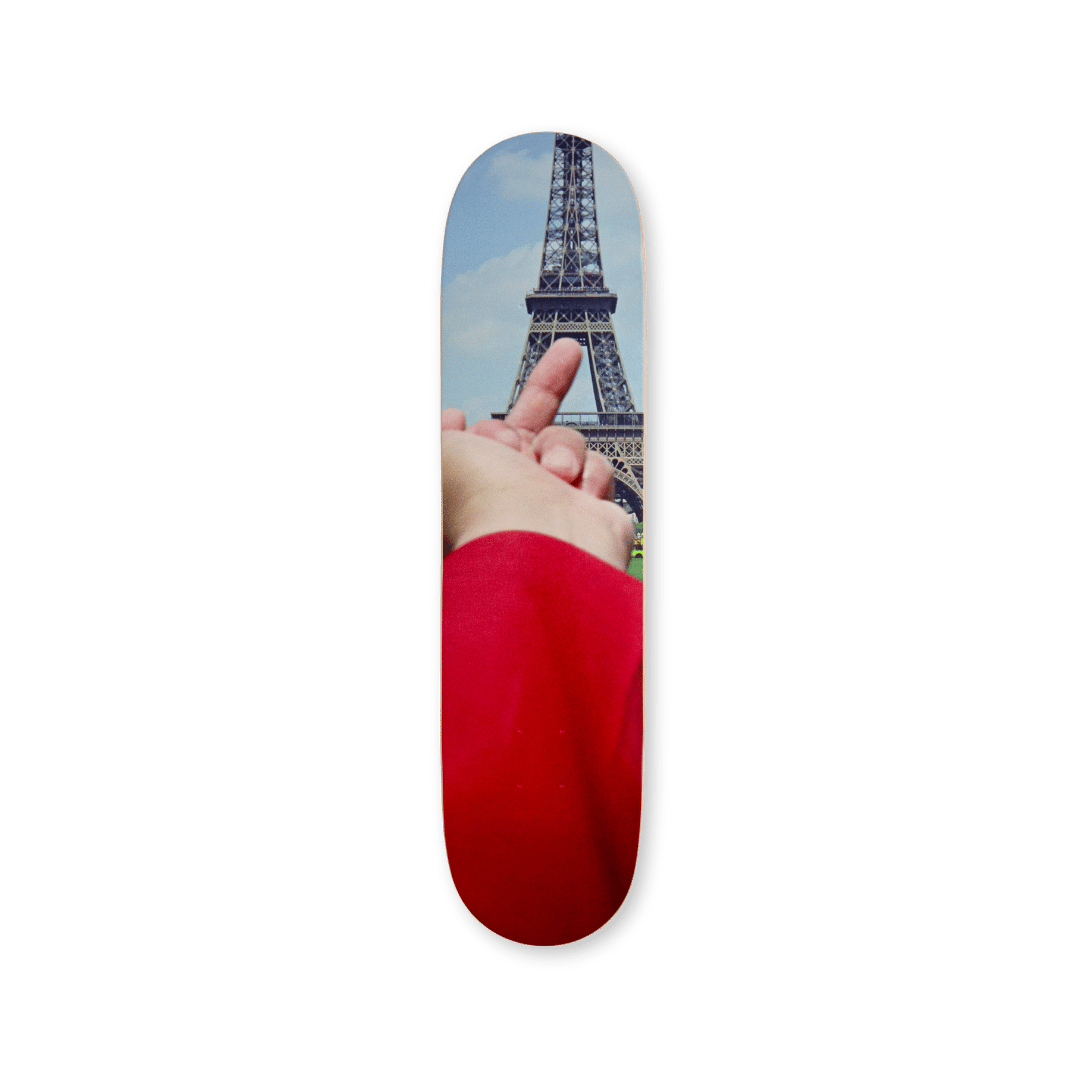
Study of Perspective - Eiffel Tower
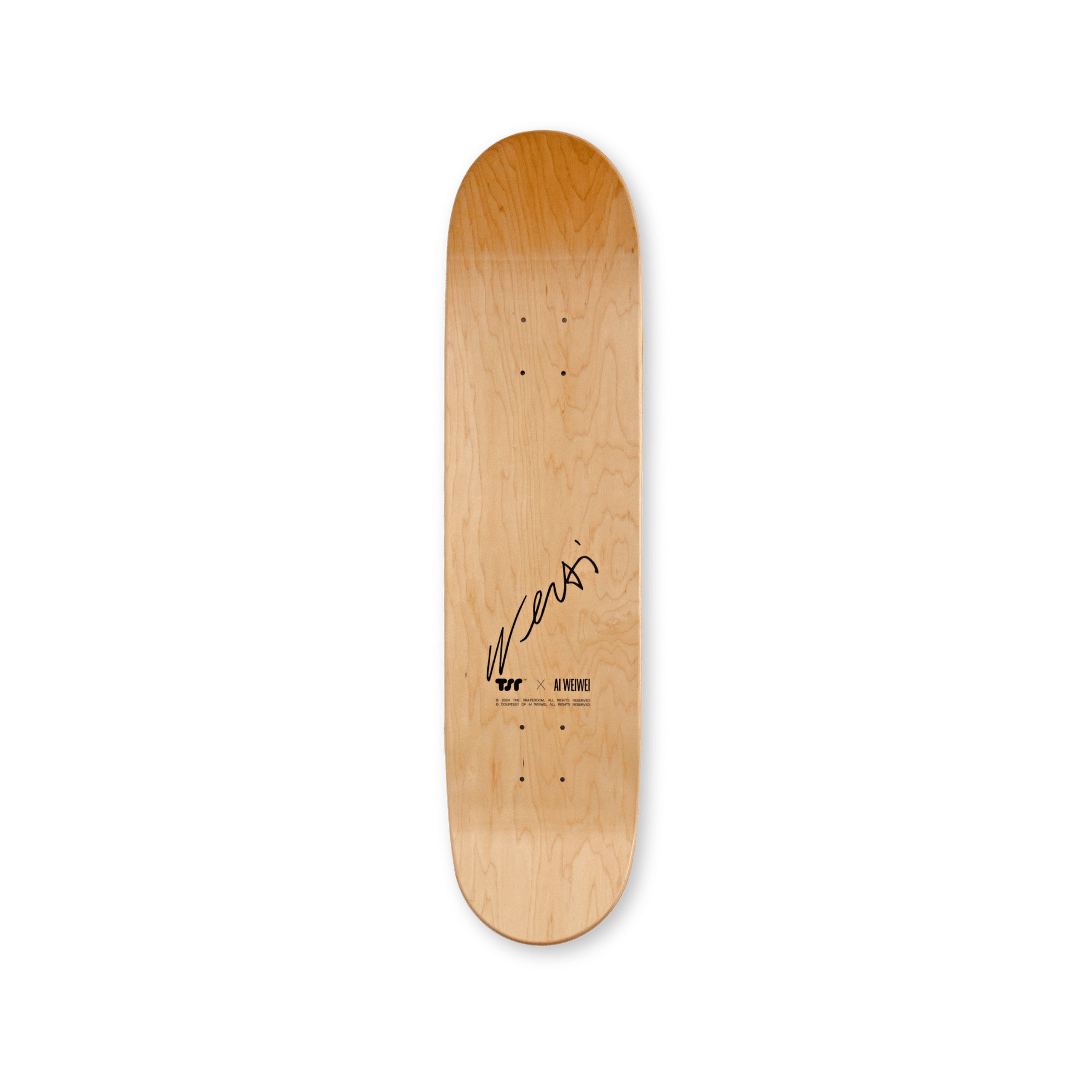
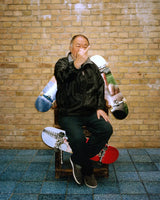
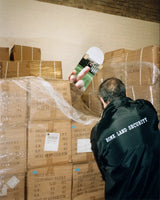
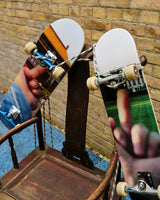
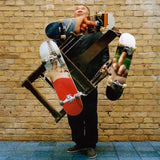
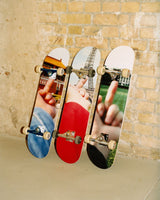
Ai Weiwei collection of Skateboard artworks from his Perspectives work
Study of Perspective - Eiffel Tower

Study of Perspective - Eiffel Tower

À propos

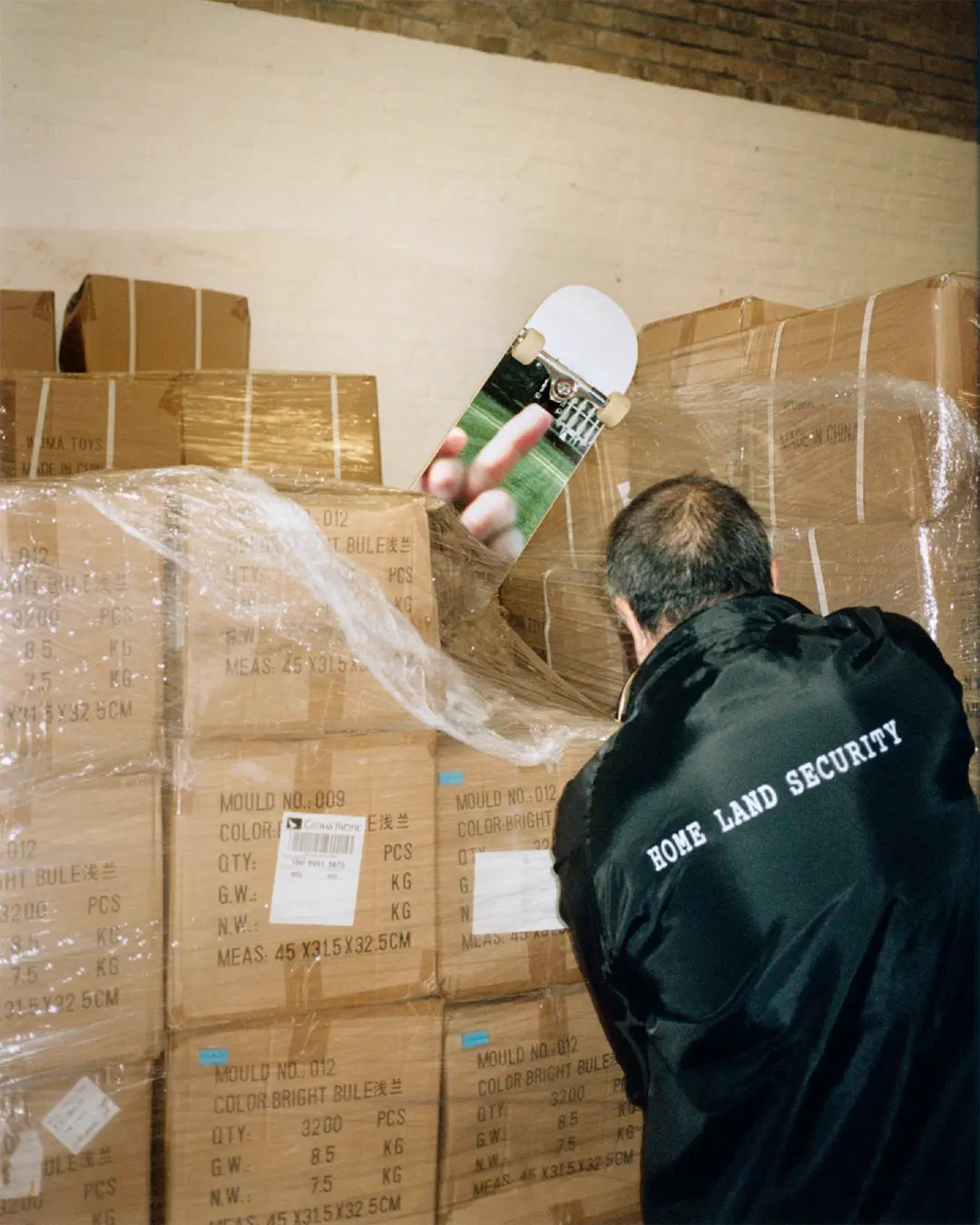
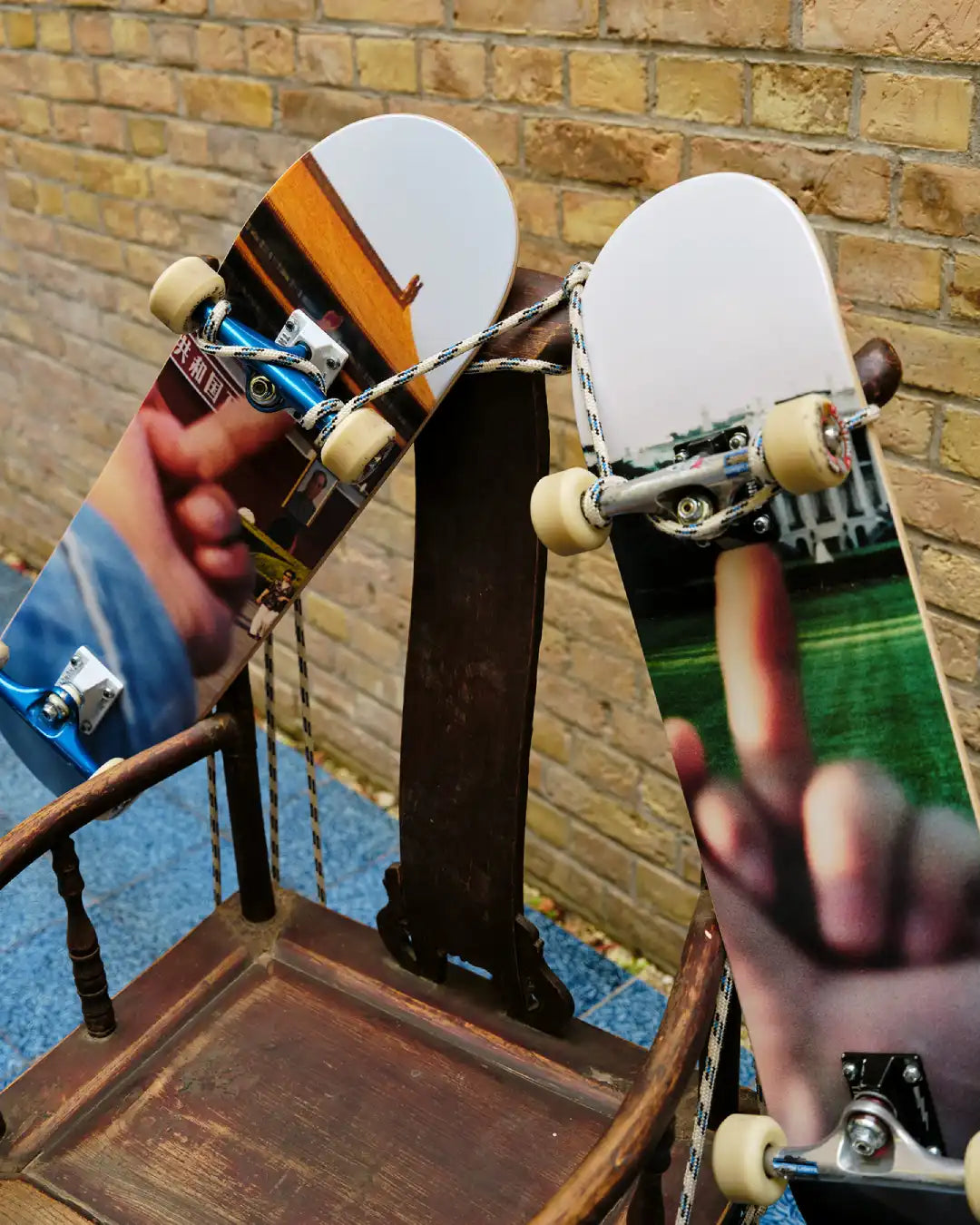
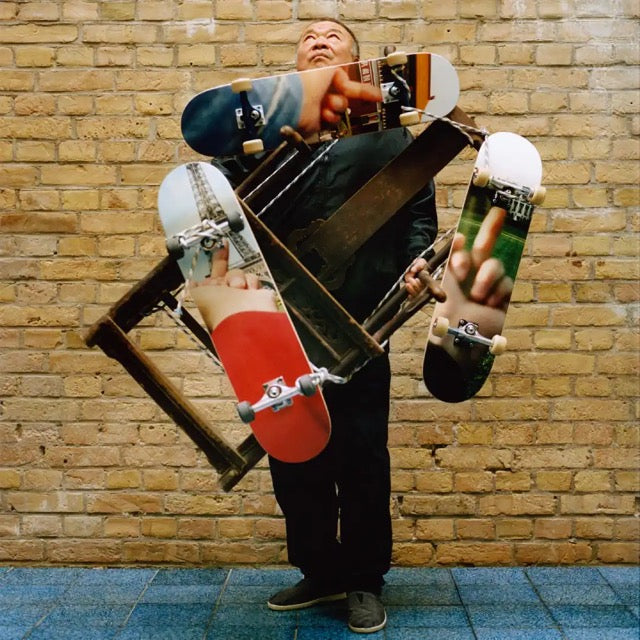
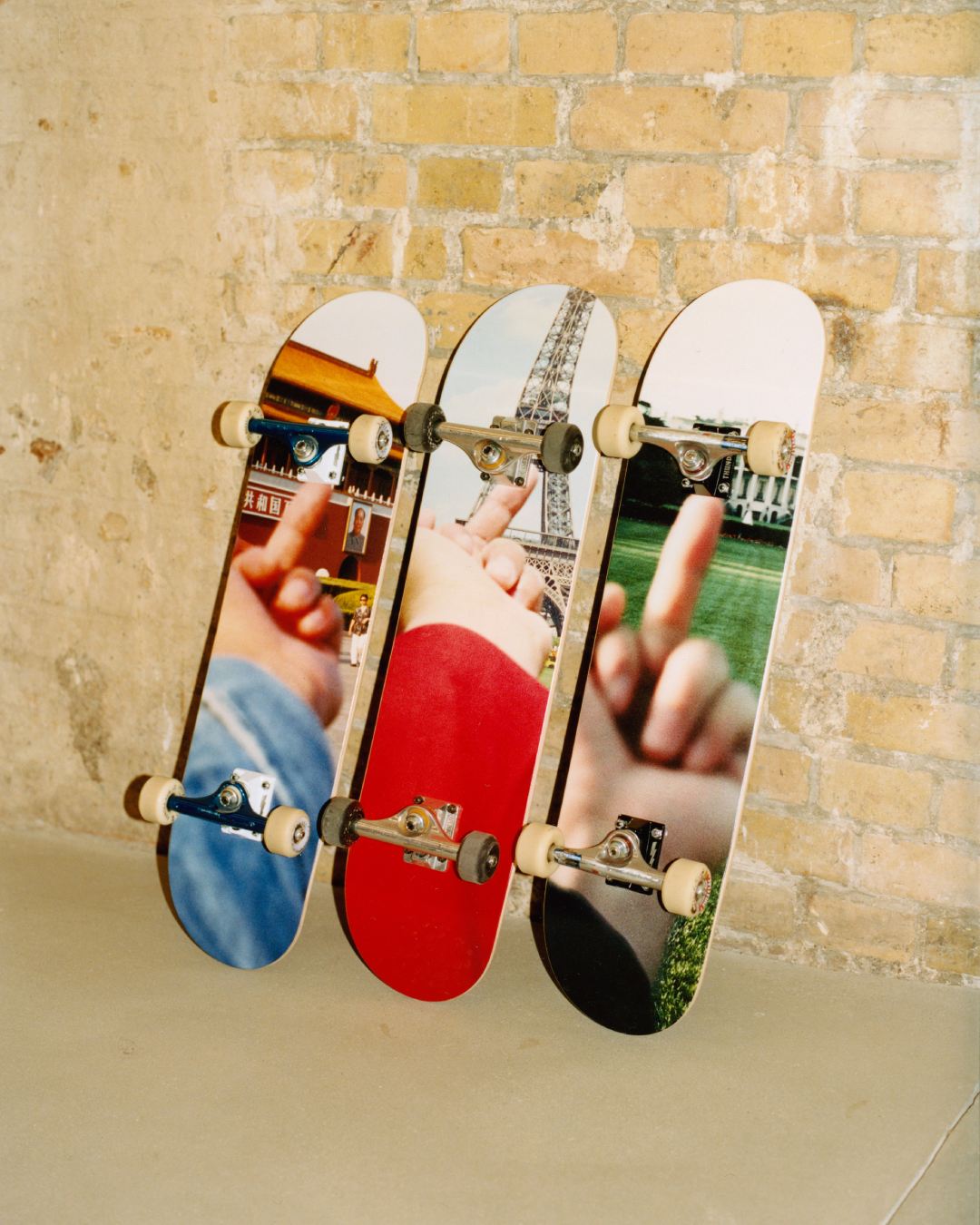
S'appuyant sur le succès de deux collections acclamées par la critique, notre troisième collaboration avec Ai Weiwei réinterprète trois photographies clés de la série controversée de l'artiste, Study of Perspective , sous forme de planches de skate saisissantes.

À la fois opportune et provocatrice, la collection critique les structures de pouvoir mondiales. Parmi les créations présentées figurent la Maison Blanche , ainsi qu'une « attaque visuelle » contre la tour Eiffel et la tristement célèbre place Tiananmen – un puissant rappel de l'oppression politique et de la résistance.

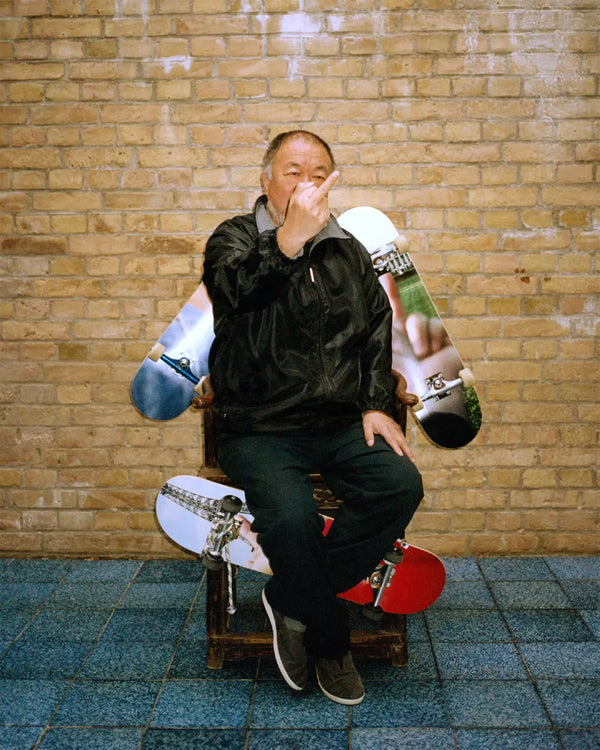
« Étude de perspective » , une série de photographies où l’artiste pointe résolument son majeur vers les principaux monuments du monde, illustre parfaitement cette fusion indissociable entre art et activisme, si caractéristique de la pratique d’Ai Weiwei. Publiées sur son blog à partir de 1995, ces photographies, prises dans le style de clichés touristiques innocents, soulignent le fossé entre l’individu et le pouvoir politique et incitent le spectateur à remettre en question les idées propagandistes.

Les photos, notamment celle de la place Tiananmen, Elles restent interdites en Chine. Leur créateur, cependant, ne semble pas prêt de s'arrêter, poursuivant son influence depuis de multiples bases à travers le monde.
Vue rapide
Study of Perspective - Eiffel Tower
Ai Weiwei collection of Skateboard artworks from his Perspectives work
Study of Perspective - Eiffel Tower
Vue rapide
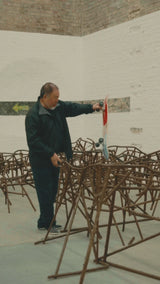
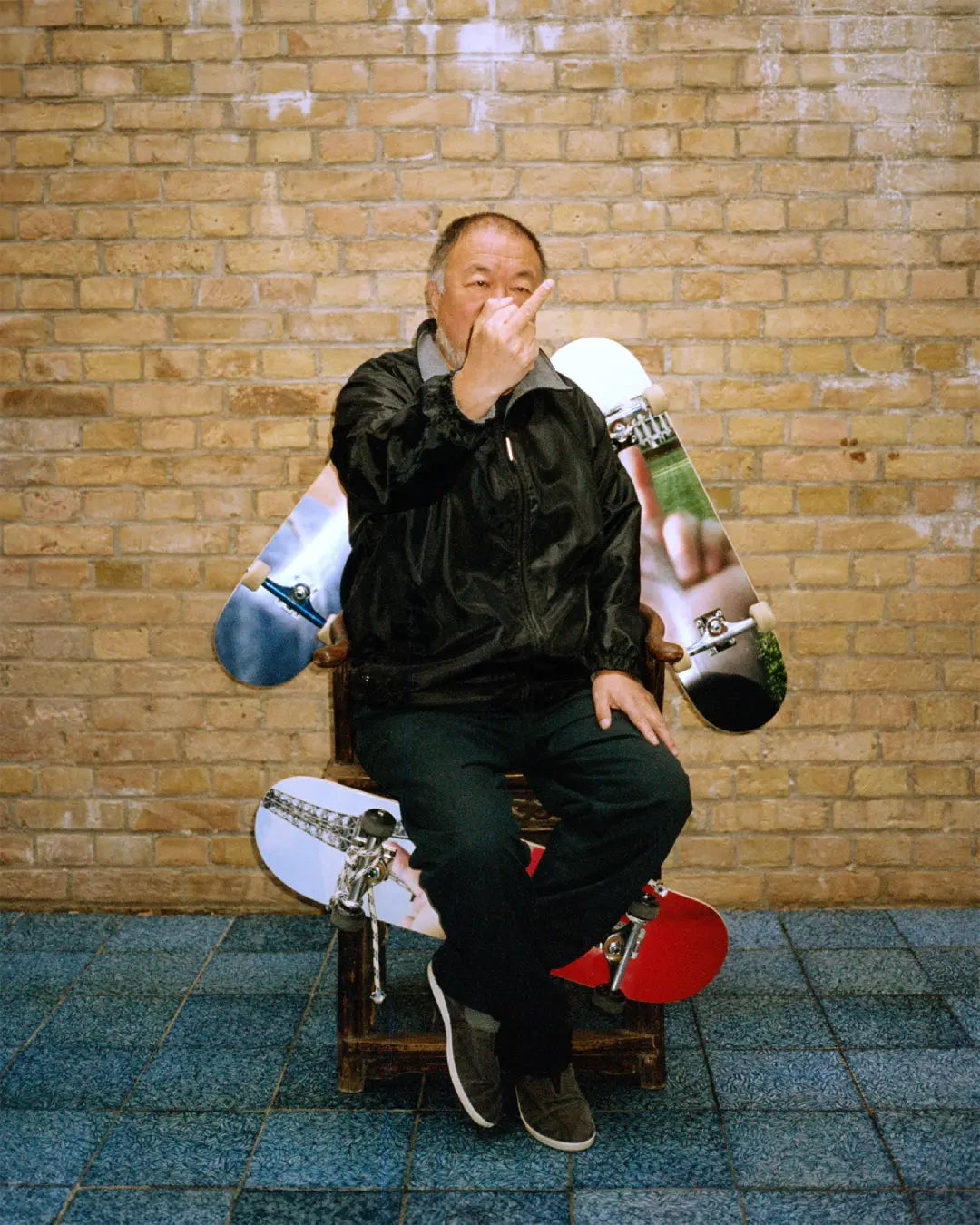
Portrait of Ai Weiwei

About the Artist

Portrait of Ai Weiwei

Ai Weiwei (b. 1957) is a Chinese artist, filmmaker and outspoken activist whose wide‑ranging practice merges sculpture, installation, architecture, photography and public‑intervention.

After spending time in New York in the 1980s, Ai returned to Beijing in the early 1990s, helping found the experimental artist‑space China Art Archives & Warehouse (CAAW). His art frequently engages themes of freedom, surveillance, and human rights: for example, his monumental porcelain installation Sunflower Seeds (2010) at the Turbine Hall of the Tate Modern deployed 100 million hand‑crafted porcelain seeds weighing ~10 tonnes.

In 2011 he was detained by Chinese authorities for 81 days and later prohibited from travel—events that turned his own biography into part of his art. Today he works across multiple global bases, including Portugal, Germany and the UK, continuing to challenge the structures of power, craft, and cultural production.

Ai Weiwei (b. 1957) is a Chinese artist, filmmaker and outspoken activist whose wide‑ranging practice merges sculpture, installation, architecture, photography and public‑intervention. After spending time in New York in the 1980s, Ai returned to Beijing in the early 1990s, helping found the experi
MORE
×

Ai Weiwei (b. 1957) is a Chinese artist, filmmaker and outspoken activist whose wide‑ranging practice merges sculpture, installation, architecture, photography and public‑intervention.

After spending time in New York in the 1980s, Ai returned to Beijing in the early 1990s, helping found the experimental artist‑space China Art Archives & Warehouse (CAAW). His art frequently engages themes of freedom, surveillance, and human rights: for example, his monumental porcelain installation Sunflower Seeds (2010) at the Turbine Hall of the Tate Modern deployed 100 million hand‑crafted porcelain seeds weighing ~10 tonnes.

In 2011 he was detained by Chinese authorities for 81 days and later prohibited from travel—events that turned his own biography into part of his art. Today he works across multiple global bases, including Portugal, Germany and the UK, continuing to challenge the structures of power, craft, and cultural production.