



Manhattan Bridge
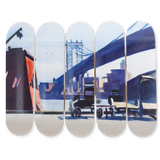
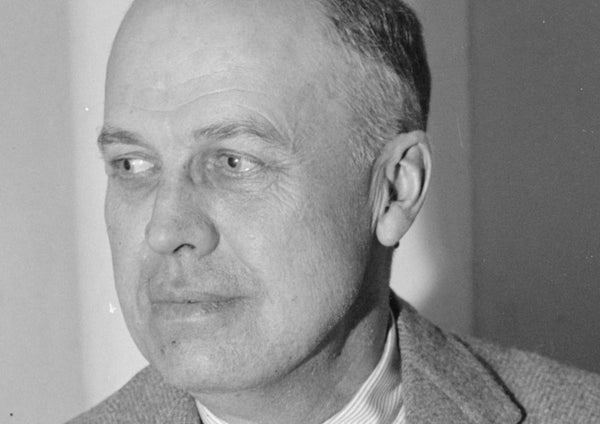
Situé non loin de l'atelier de Hopper sur Washington Square, où il s'installa en 1913, le pont de Manhattan fut une source d'inspiration récurrente pour l'artiste, qui réalisa trois aquarelles du pont, ou en apercevant celui-ci, dont « Manhattan Bridge, 1925–26 ». La toile d'Edward Hopper représentant ce monument porte l'empreinte de l'interprétation singulière du monde propre à ce virtuose du réalisme. Les bâtiments semblent déformés, la lumière et l'ombre jouent de façon quasi surréaliste, et le pont lui-même est parfois rendu avec si peu de détails qu'il paraît se fondre dans une brume invisible.
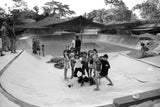
Le pont de Manhattan est une création de THE SKATEROOM, faisant partie d'une collection de skateboards en édition ouverte, sous licence officielle de l'Artist Rights Society (ARS) et du Whitney Museum of American Art. 10 % des recettes de cette collection sont reversées à l'incroyable association Cuba Skate et à son projet de skatepark en plastique recyclé.
© 2022 Héritiers de Josephine N. Hopper/Licence accordée par Artists Rights Society (ARS), New York


The Artist