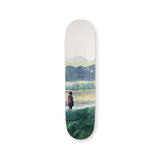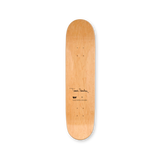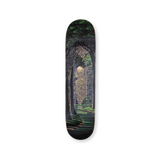


Autoportraits (Gris - 11)
Édition de 1
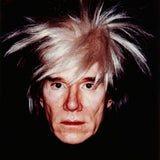
« Je ne peins plus, j'ai arrêté il y a environ un an et je me consacre désormais au cinéma. Je pourrais faire deux choses à la fois, mais le cinéma est plus stimulant. La peinture n'était qu'une passade. » - Andy Warhol. THE SKATEROOM est fier de présenter le fruit exceptionnel de dix ans de collaboration avec la Fondation Andy Warhol : la première collection limitée à 100 exemplaires d'Autoportraits , en partenariat avec la Fondation Brant. Chaque exemplaire est unique, avec sa propre teinte et une photographie polaroid exclusive d'Andy Warhol en son centre.
Édition unique d'autoportraits d'Andy Warhol (1/1)
Produit par THE SKATEROOM en 2023
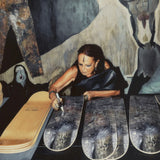
Édition artisanale, imprimée, vernie, peinte et gravée à Bruxelles, BELGIQUE
Sous licence de la Fondation Andy Warhol pour les arts visuels, Inc.
About the Artist
Before assuming his place in history, Andy Warhol (1928-1987) as a commercial illustrator in New York for over a decade. Although he began painting in the late 1950s, he emerged into the spotlight in 1962 when he exhibited wooden replicas of Brillo soap pad boxes, along with paintings of Coca-Cola bottles, and his infamous Campbell’s soup cans. Warhol’s mass-producing silkscreen technique was key in reducing his depictions into insipid and dehumanized cultural icons that reflected the alleged emptiness of American material culture, along with Warhol’s own emotional withdrawal towards his creations. Eventually, Warhol’s work propelled him to the forefront of the emerging Pop art movement in America.